A cactus might not be the first plant you’d associate with fresh fruit, but some varieties produce colorful, juicy fruits that people have enjoyed for generations. If you’re searching for the cactus fruit name, the one you’re most likely looking for is prickly pear, also known as tuna in Spanish-speaking regions.
However, prickly pear isn’t the only fruit that grows on a cactus. Dragon fruit, for example, comes from climbing cactus species, while other cacti produce smaller fruits with their own local names and flavors.
In this guide, we’ll explain what cactus fruit is called, introduce the most common varieties, describe their taste and nutritional value, and show you how people eat and use them.
What Is the Cactus Fruit Name?
The best-known cactus fruit is called prickly pear. It grows on prickly pear cacti belonging to the genus Opuntia, which includes several species found in the Americas and cultivated in other warm regions.
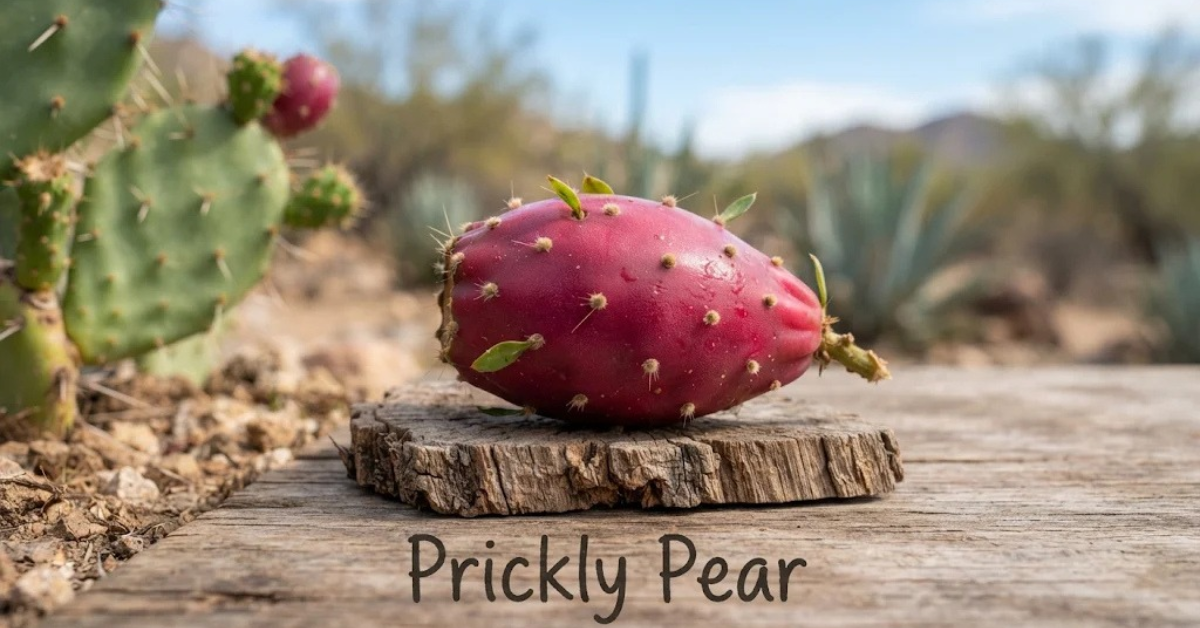
The fruit develops along the edges of the cactus pads. Depending on the variety, it may have green, yellow, orange, red, or deep purple skin and a soft, juicy interior containing numerous small seeds.
Prickly pear is also known by several other names:
- Tuna: A widely used Spanish name for the fruit.
- Prickly pear: The common English name.
- Cactus pear: Another English name used in some regions.
- Indian fig: A traditional name for certain prickly pear fruits.
- Barbary fig: A name used in some parts of the world.
These names can vary by country and species, but they commonly refer to fruit from Opuntia cacti.
What Does Cactus Fruit Look Like?
Prickly pear has an unusual appearance compared with familiar fruits such as apples, oranges, or grapes. Its oval or egg-shaped body grows from a flat cactus pad and often has a thick outer skin.
The skin may look smooth from a distance, but some varieties have tiny hair-like prickles called glochids. These can irritate the skin, so the fruit needs careful handling before it is peeled.
Inside, the flesh is soft and juicy. Its color varies between varieties, and it contains many small, hard seeds that are generally swallowed or separated depending on personal preference.
Different Types of Cactus Fruit
Several cactus species produce edible fruit. Although prickly pear is the best-known example, other varieties are popular in markets, drinks, and traditional foods.
1. Prickly Pear (Tuna)
Prickly pear is the classic answer when someone asks for a cactus fruit name. It grows on Opuntia species and is widely eaten in Mexico, the Mediterranean region, and other warm climates.
The fruit’s color can range from pale yellow to red and purple. Its flavor is usually mildly sweet, with descriptions often comparing it to watermelon, pear, or melon.
Prickly pear can be eaten fresh after proper peeling. It is also used in juices, jams, syrups, candies, and desserts.
2. Dragon Fruit (Pitaya)
Dragon fruit, also called pitaya, comes from climbing cactus species rather than the familiar flat-padded prickly pear cactus.
Its most recognizable varieties have bright pink or yellow skin and white or red flesh dotted with tiny black seeds. The flavor is generally mild and lightly sweet, with a texture similar to kiwi.
Dragon fruit is popular in fruit bowls, smoothies, salads, and desserts. Its striking appearance has also made it a familiar sight in supermarkets around the world.
3. Organ Pipe Cactus Fruit
The organ pipe cactus, scientifically known as Stenocereus thurberi, produces edible fruits that ripen to reddish or purple shades.
These fruits have traditionally been gathered by Indigenous communities in the Sonoran Desert region. Their sweet flesh contains small seeds and can be eaten fresh or used in local food preparations.
The fruit is less commonly available in ordinary grocery stores than prickly pear or dragon fruit.
4. Saguaro Fruit
The saguaro cactus (Carnegiea gigantea) is famous for its enormous, tree-like shape and white spring flowers. After flowering, it produces oval fruits that turn red when ripe.
Saguaro fruit has long been important to the Tohono O’odham people of the Sonoran Desert. Traditionally, the fruit is harvested during its seasonal ripening period and used to make foods and syrup.
It is a culturally significant desert food, not simply an unusual supermarket fruit.
5. Peruvian Apple Cactus Fruit
The Peruvian apple cactus, commonly identified as Cereus repandus, produces round or oval fruits with reddish skin and white flesh.
The fruit is sometimes called Peruvian apple or pitaya in markets, although common names can overlap with those used for other cactus fruits.
Its mild, refreshing flavor makes it suitable for eating fresh. It is also used in juices and other fruit preparations.
What Does Prickly Pear Cactus Fruit Taste Like?
Prickly pear has a mild sweetness and a refreshing, juicy texture. People often compare its flavor to a combination of watermelon, pear, and melon, although the exact taste depends on the variety and ripeness.
Some fruits are sweeter and more aromatic than others. Their texture can be slightly grainy because of the many small seeds inside.
The fruit’s flavor makes it useful in several preparations, including:
- Fresh fruit slices
- Smoothies and juices
- Fruit salads
- Jams and jellies
- Syrups and sauces
- Ice cream and sorbets
- Traditional candies and desserts
Dragon fruit has a different flavor profile. It is generally milder and less sweet than many ripe prickly pears, with a delicate taste and soft texture.
How to Eat Cactus Fruit Safely
Prickly pear can be eaten fresh, but preparation matters. Its tiny glochids can be difficult to see and may stick to the skin, causing irritation.
If you’re preparing fresh prickly pear, follow these basic steps:
- Choose ripe fruit: Look for fruit with rich, even color and no signs of serious damage.
- Protect your hands: Use thick gloves or kitchen tongs when handling unprocessed fruit.
- Clean the exterior: Carefully wash the fruit without rubbing it with bare hands.
- Remove the ends: Place the fruit on a stable cutting board and cut off both ends.
- Make a lengthwise cut: Slice through the skin without cutting too deeply into the flesh.
- Peel away the skin: Use a knife or suitable utensil to remove the outer layer.
- Inspect before eating: Make sure no prickles or pieces of skin remain.
Once peeled, the fruit can be sliced, chilled, or blended into a drink.
Important: Do not handle freshly harvested prickly pear with bare hands unless you know the glochids have been completely removed. Washing alone may not remove every tiny spine.
Cactus Fruit Nutrition and Potential Benefits
Prickly pear is a source of water, dietary fiber, and several vitamins and minerals. Its nutritional composition varies according to the species, growing conditions, ripeness, and serving size.
It can contribute to a balanced diet in several ways.
1. Provides Dietary Fiber
The edible flesh contains dietary fiber. Fiber supports normal digestion and can help make meals more satisfying.
2. Contains Vitamin C
Prickly pear provides vitamin C, a nutrient involved in normal immune function, collagen formation, and antioxidant protection.
3. Supplies Antioxidant Compounds
The fruit contains plant compounds such as betalains and other phenolic substances. These compounds contribute to its color and have antioxidant activity.
4. Contributes to Hydration
Because the flesh contains a substantial amount of water, prickly pear can be a refreshing addition to meals, particularly in warm weather.
5. Adds Variety to a Balanced Diet
Cactus fruit offers a different flavor, texture, and nutrient combination from more familiar fruits. It can be enjoyed as part of a varied eating pattern.
A realistic note: Research has investigated potential health effects of prickly pear, but eating the fruit should not be treated as a cure or replacement for medical care. Its benefits depend on the overall diet and individual health circumstances.
How Is Cactus Fruit Used in Food?
Cactus fruit has a long culinary history, particularly in Mexico and parts of the Americas. Today, it is also used in specialty foods and drinks in other countries.
Here are some popular ways to enjoy it.
Fresh Fruit
Peeled prickly pear can be sliced and served chilled. It works well in fruit salads and can be eaten on its own.
Juice and Smoothies
The juicy flesh can be blended and strained to make drinks. Its color can add an attractive appearance to smoothies and fresh juices.
Jam and Jelly
The fruit’s natural sweetness and color make it suitable for jams, jellies, and fruit spreads. Sugar and other ingredients are often added depending on the recipe.
Syrup and Desserts
Prickly pear syrup is used in drinks, sauces, frozen desserts, and sweets. It can add a distinctive color and mild fruity flavor.
Traditional Foods
In some regions, cactus fruits are part of traditional seasonal food practices. Saguaro fruit, for example, has particular cultural importance among the Tohono O’odham people.
Is Cactus Fruit the Same as Cactus Pear?
In many everyday contexts, cactus fruit and cactus pear refer to the same thing: the edible fruit of a prickly pear cactus.
However, the term cactus fruit is broader. It can describe edible fruits from several cactus species, including dragon fruit, saguaro fruit, and organ pipe cactus fruit.
This is why context matters. If someone says “cactus pear,” they usually mean prickly pear. If they say “cactus fruit,” they may be referring to a wider group.
Where Does Cactus Fruit Grow?
Cactus fruits grow in different regions depending on the species. Many edible cacti are native to the Americas, particularly areas with warm or dry climates.
Prickly pear species are native to the Americas but have been introduced and cultivated in other parts of the world, including the Mediterranean, Africa, and Australia.
Dragon fruit is cultivated in tropical and subtropical regions, including parts of Southeast Asia and Central America.
Other cactus fruits, such as saguaro and organ pipe cactus fruits, are associated with the Sonoran Desert region of the southwestern United States and northwestern Mexico.
Although cacti are often associated with deserts, not all cactus species grow in extremely dry environments. Some are adapted to tropical and subtropical climates.
Frequently Asked Questions About Cactus Fruit Names
1. What is the name of the fruit that grows on a cactus?
The best-known cactus fruit is called prickly pear, also known as cactus pear or tuna. Other cactus fruits include dragon fruit, saguaro fruit, and organ pipe cactus fruit.
2. Is prickly pear the same as cactus fruit?
Prickly pear is a type of cactus fruit, but the term cactus fruit can refer to edible fruits from several cactus species. Dragon fruit and saguaro fruit are other examples.
3. What is the Mexican name for cactus fruit?
Prickly pear is commonly called tuna in Spanish, including in Mexico. The name refers to the fruit of prickly pear cacti in the genus Opuntia.
4. What does cactus fruit taste like?
Prickly pear usually has a mildly sweet, refreshing flavor. People often compare it to watermelon, pear, or melon. Its taste varies depending on the species and ripeness.
5. Is dragon fruit a cactus fruit?
Yes. Dragon fruit, or pitaya, grows on climbing cactus species. It is botanically a cactus fruit, even though it looks very different from prickly pear.
6. Can you eat cactus fruit raw?
Yes. Many cactus fruits, including properly prepared prickly pear and dragon fruit, can be eaten raw. Prickly pear must be peeled carefully to remove its outer skin and any remaining glochids.
7. Are cactus fruits healthy?
Edible cactus fruits can provide fiber, water, vitamins, and plant compounds. Their nutritional value varies by species, but they can be part of a balanced diet.
8. What color is prickly pear fruit?
Prickly pear can have green, yellow, orange, red, or purple skin and flesh. The color depends on the species and variety.
9. Do all cactus plants produce edible fruit?
No. Some cacti produce fruits that are eaten traditionally, while others are not commonly consumed. Never assume an unfamiliar cactus fruit is safe to eat without reliable identification.
10. What is the difference between cactus pear and dragon fruit?
Cactus pear usually refers to the fruit of Opuntia cacti, which grow on flat pads. Dragon fruit comes from climbing cactus species and typically has bright, scale-like skin with white or red flesh.
Conclusion
The most familiar cactus fruit name is prickly pear, also called cactus pear or tuna. It is known for its colorful skin, juicy flesh, mildly sweet flavor, and use in fresh foods, juices, jams, and desserts.
But cactus fruits are not limited to prickly pears. Dragon fruit, saguaro fruit, organ pipe cactus fruit, and Peruvian apple cactus fruit are other interesting examples, each with its own appearance, flavor, and growing environment.
If you come across cactus fruit at a market, make sure you know which variety you’re buying and how it should be prepared. Exploring different cactus fruits is a fun way to discover new flavors and learn more about the plants that produce them.